
Termites are a homeowner's silent enemy, capable of causing significant structural damage before their presence is even noticed. Many believe these destructive pests are solely an indoor problem, but often, the way we design and maintain our outdoor spaces can inadvertently roll out the welcome mat for them. Understanding how your landscaping choices can affect your home's vulnerability is crucial for protecting your investment in Southeast Texas. Elite Pest & Termite Services is here to shed light on some common landscaping mistakes that can invite termites right to your foundation.
Wood-to-Soil Contact and Mulch Mismanagement
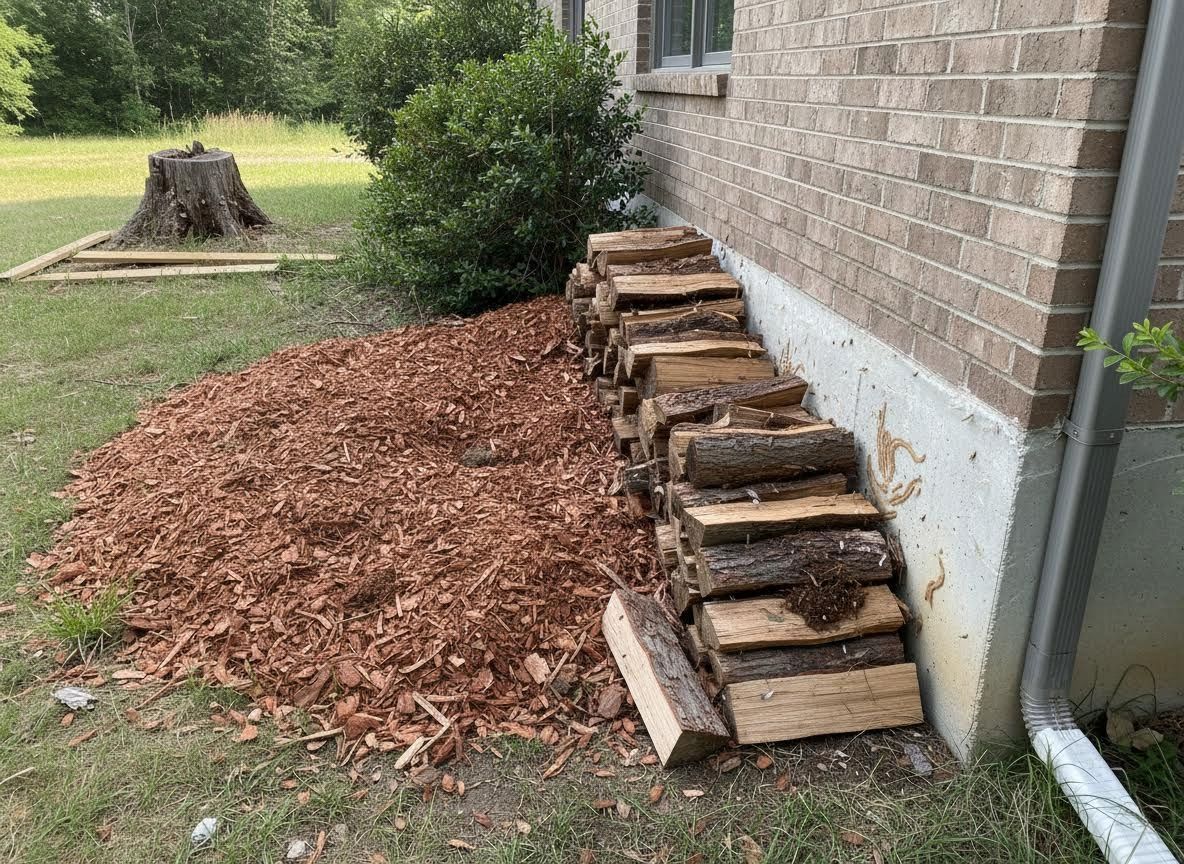
One of the most common landscaping errors is allowing wood or wood-based materials to come into direct contact with your home's foundation while also touching the soil. Termites are naturally drawn to wood and thrive in moist environments. When mulch, wood chips, or even firewood stacks are piled up against your foundation, they create an ideal bridge and a hidden highway for termites to access your home undetected. Ensure at least a 6-inch gap between any wood materials and your foundation, and keep mulch levels low and away from the house perimeter. Regular Termite inspection can help identify early signs of activity.
Improper Drainage and Excessive Moisture
Termites need moisture to survive, and poorly managed water around your home's foundation provides them with the perfect breeding ground. Clogged gutters, inadequate downspout extensions that dump water directly next to the house, or grading issues that cause water to pool can saturate the soil. This consistent dampness softens wood structures and creates an inviting habitat for termites. Ensuring proper drainage away from your foundation is a critical step in denying these pests easy access. This also helps with general pest control, as many pests are attracted to moisture.
Overgrown Vegetation and Climbing Plants
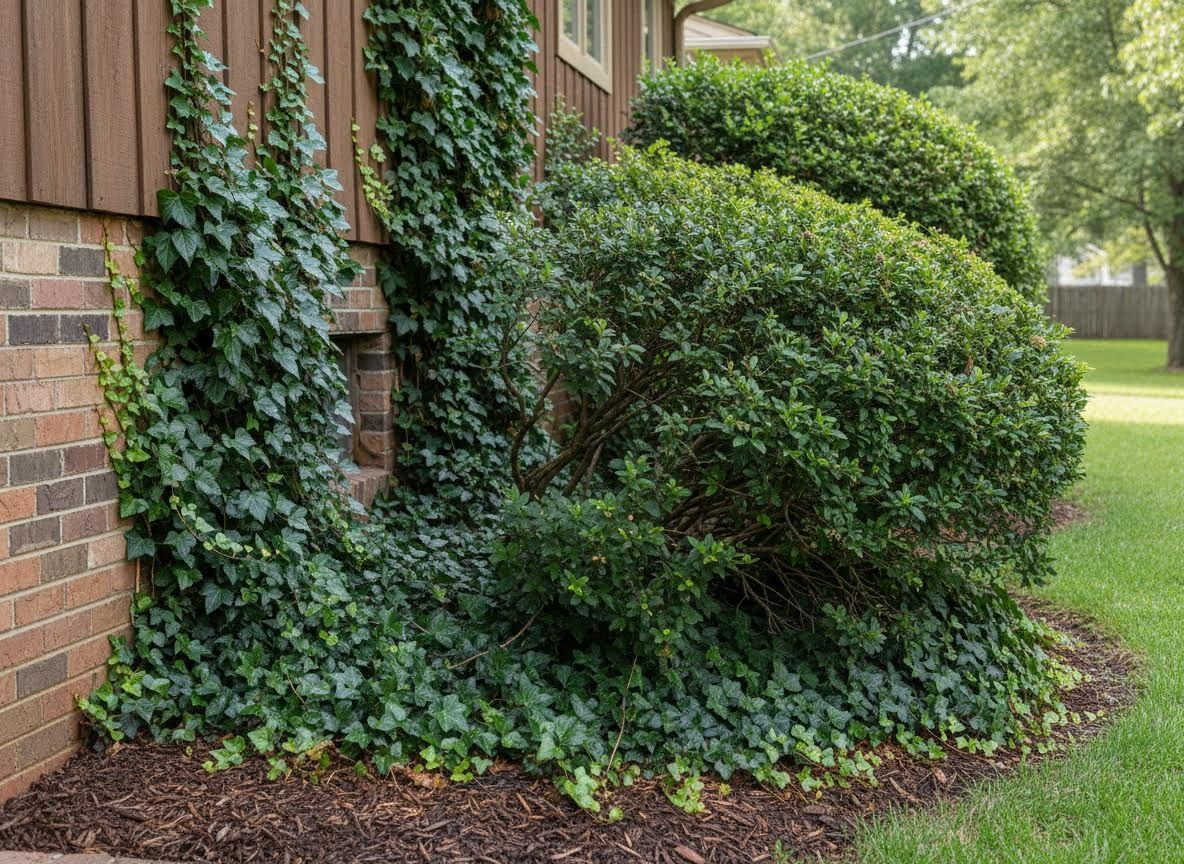
While beautiful, dense shrubs, vines, or trees that grow directly against your home's exterior can be a significant termite attractant. These plants trap moisture against the foundation, block sunlight that would otherwise dry out the area, and provide termites with concealed access points. They also obscure your view, making it harder to spot early signs of termite tubes or damage during a routine inspection. Keep all vegetation trimmed back, maintaining a sufficient distance from your home's walls to allow for air circulation and easy visual inspection.
Neglected Debris and Old Tree Stumps
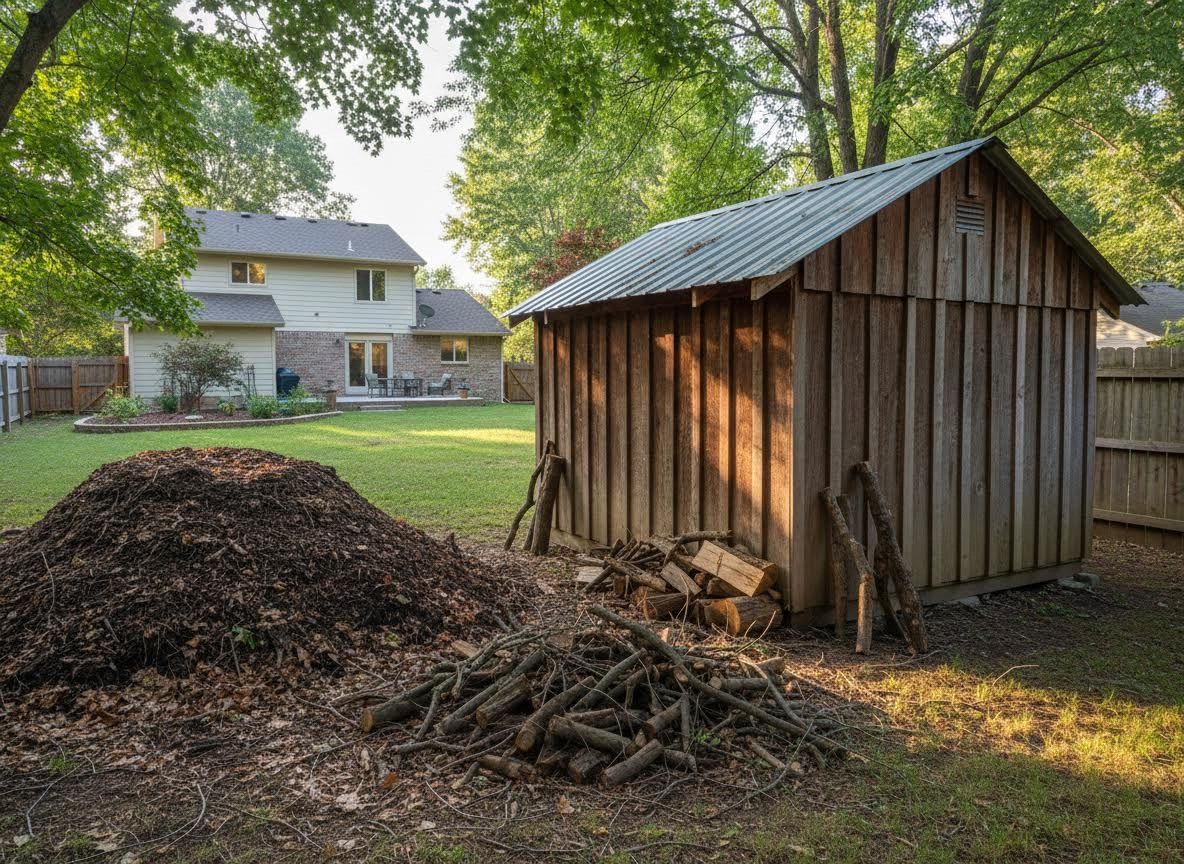
Leaving old tree stumps, discarded lumber, or other wood debris in your yard, especially near the foundation, is akin to leaving out a buffet for termites. These decaying wood sources offer a ready food supply and a starting point for colonies to establish themselves before moving on to your home. Removing these potential food sources significantly reduces the likelihood of a termite infestation. Regular yard maintenance and prompt removal of any woody debris are simple yet effective preventive measures against these destructive pests.
Protecting your home from termites goes beyond just treating an infestation; it begins with proactive measures in your own yard. By avoiding these common landscaping mistakes, homeowners and business owners in Silsbee, Lumberton, Beaumont, and Kountze can significantly reduce the risk of termite intrusion. Maintaining proper drainage, practicing mindful landscaping, and keeping up regular yard upkeep are essential defenses. For dependable protection and professional advice on preventing these and other issues, reach out to Elite Pest & Termite Services. Our experienced team is ready to provide tailored solutions for your property.