In our beautiful Southeast Texas climate, termites are a constant, silent threat to homes and businesses alike. Many property owners don't realize they have a termite problem until significant damage has already occurred, which is why a professional Termite inspection is crucial for early detection and peace of mind. At Elite Pest & Termite Services, our experienced team understands the unique challenges termites pose in our local communities, and we're committed to providing thorough, honest assessments. So, what exactly happens during an Elite Termite inspection? Let's walk through the process.
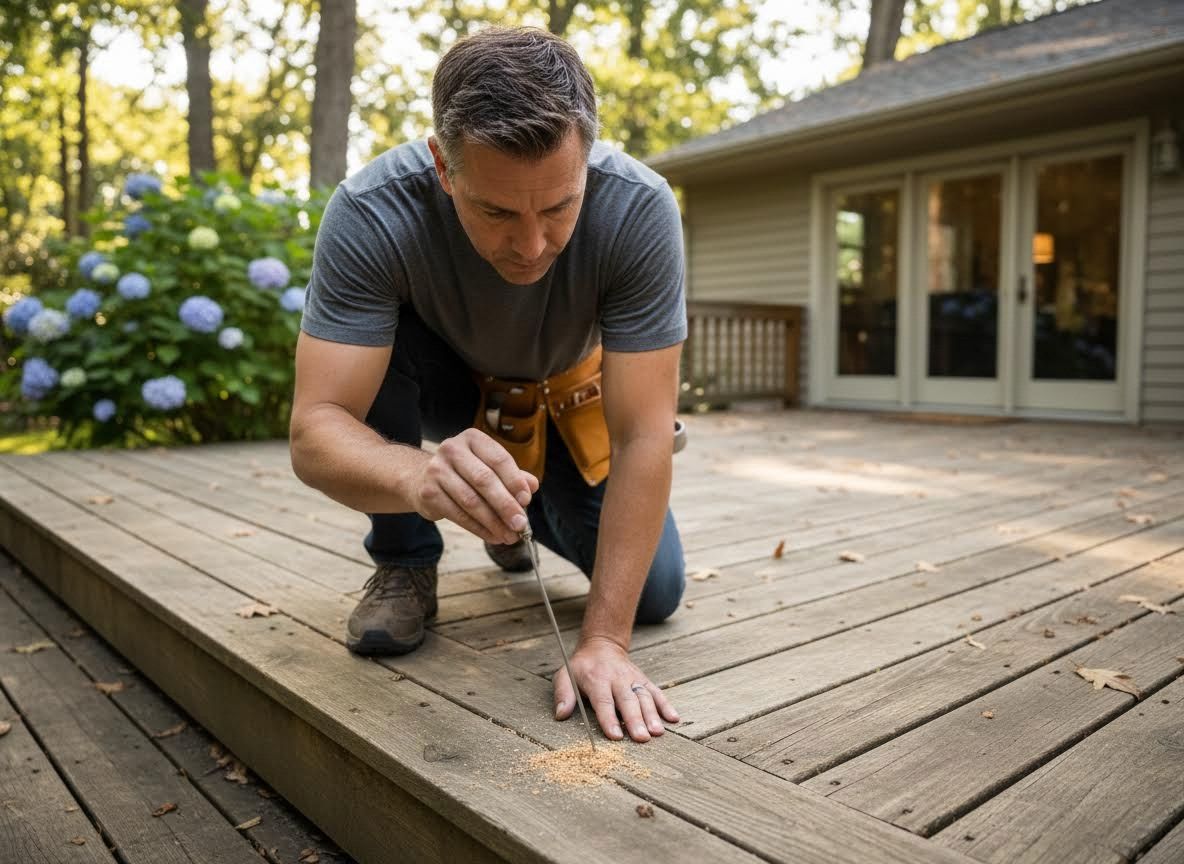
The Exterior Perimeter Scan
Our comprehensive termite inspection always begins outside your property. Our technicians are trained to identify conditions conducive to termite attraction, such as excess moisture near the foundation, wood-to-ground contact, and landscape elements like mulch beds or tree stumps near the structure. We carefully examine the foundation, exterior walls, and any attached structures, such as decks or porches, for telltale signs such as mud tubes, damaged wood, or discarded wings. This initial perimeter scan helps us understand the property's vulnerability and potential entry points for these destructive pests.
Inside the Walls: A Detailed Interior Examination
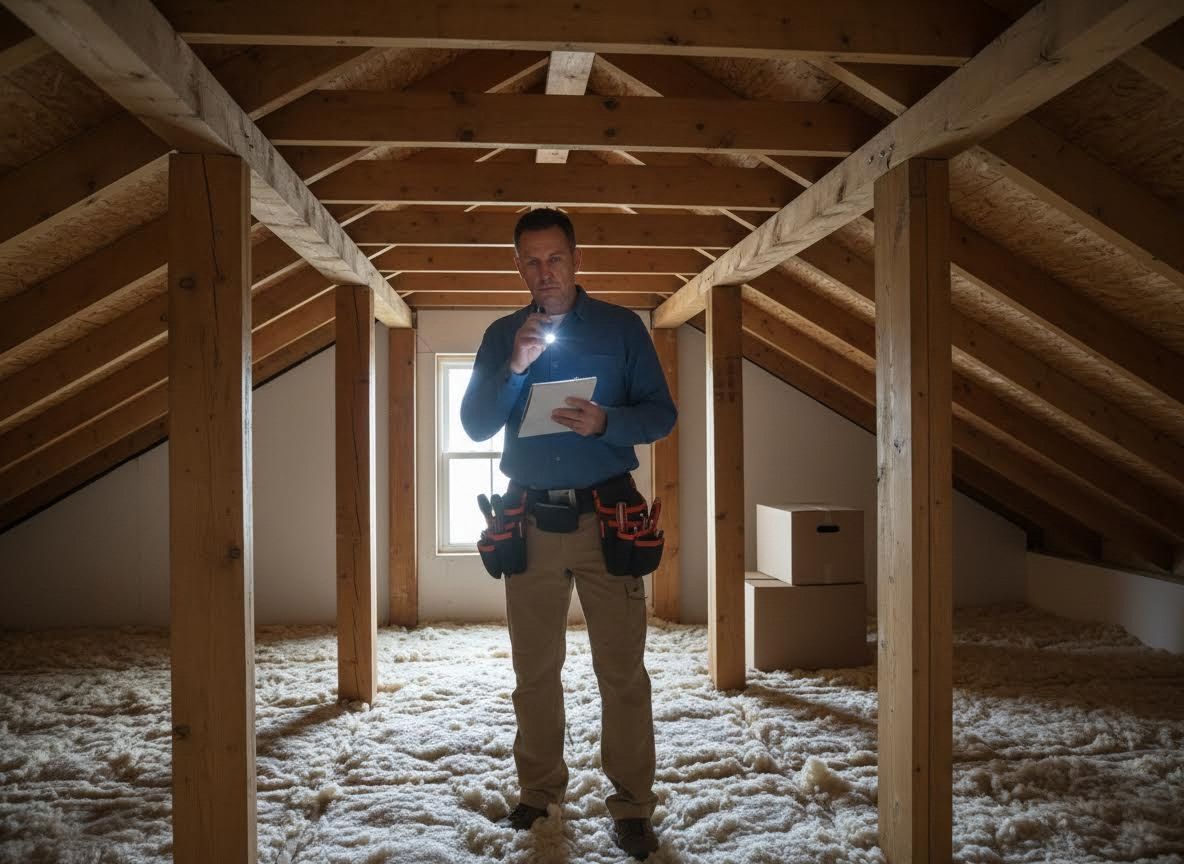
Once the exterior is thoroughly assessed, our inspection moves inside. This involves meticulously checking all accessible areas of your home or business, including basements, crawl spaces, attics, and utility rooms. We look for any signs of water leaks or dampness, as termites are drawn to moisture. Our technicians will examine visible wooden structures like floor joists, support beams, door frames, and window sills. We often use specialized tools to tap on wood, listening for hollow sounds that could indicate internal tunneling, even if there are no visible external signs of activity. Every nook and cranny is evaluated to ensure no potential hiding spot is overlooked.
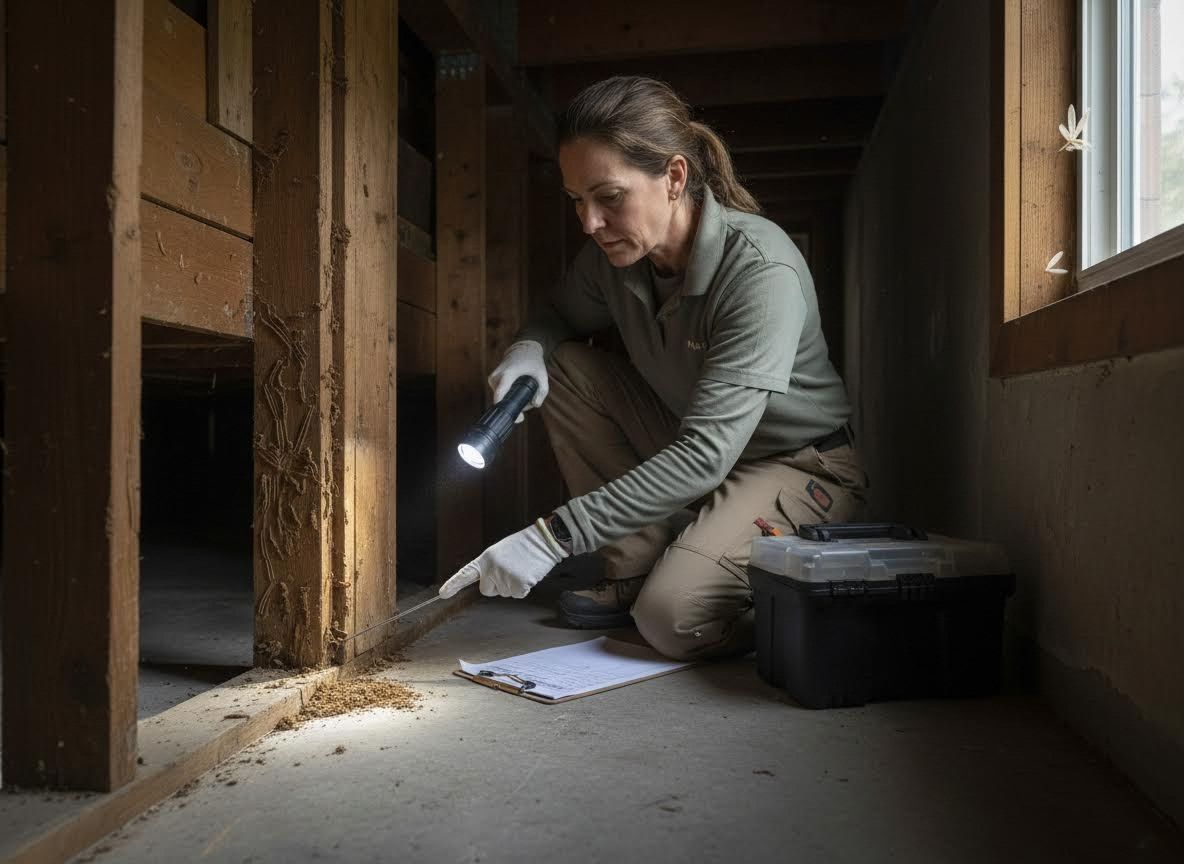
Decoding the Clues: Recognizing Termite Activity
Identifying termite activity requires a keen eye and extensive experience. Our team decodes the various clues these pests leave behind. The most common signs include mud tubes, which are pencil-sized tunnels termites build to travel between their colony and your property, protecting themselves from the open air. We also look for frass, which are termite droppings that resemble sawdust, especially near damaged wood. Damaged wood itself, often appearing soft, crumbling, or hollowed out, is a clear indicator. Another less common but significant sign is the presence of discarded wings, typically found near windows or light sources, indicating a swarming event where reproductive termites have emerged.
Your Comprehensive Inspection Report and Next Steps
Following the physical termite inspection, our technician will provide you with a detailed, easy-to-understand report. This report will outline findings, pinpoint areas of concern, and explain the type and extent of any identified termite activity or damage. More importantly, we'll discuss the best course of action for your specific situation. Our goal is to empower you with knowledge and provide effective, tailored solutions to protect your property. We believe in transparent communication and will answer all your questions, ensuring you feel confident and informed about the recommended treatment plan.
A professional Termite inspection is an essential step in safeguarding your property against the hidden dangers of these destructive insects. By understanding the meticulous process Elite Pest & Termite Services employs, you can appreciate the thoroughness and expertise that go into every assessment. Beyond termites, our commitment extends to comprehensive pest control solutions for a variety of challenges, including effective bed bug heat treatment, rodent control, and proactive mosquito control, ensuring your environment remains safe and comfortable. To learn more about how we can protect your home or business, contact our local team today.